 Stay Updated with the Latest Philippine Basketball Association News and Highlights
 PBA vs TNT: Which One Is Better for Your Business Needs?
 PBA vs TNT: Which Payment Method Offers Better Security and Lower Fees?
 Your Complete Guide to the PBA Semifinals Game Schedule and Matchups
 Find Out When and Where to Watch PBA on TV This Season
 TNT vs Magnolia Live: Which Platform Offers Better Streaming Quality?
 Discover Reyes PBA Player's Career Stats, Highlights, and Current Team Updates
 Can TNT Overcome Magnolia Tonight? Live Game Analysis and Winning Predictions
 PBA vs TNT: Which One Delivers Better Performance and Value for Your Business?
 Discover the Key Differences Between PBA and TNT for Your Business Needs
 Your Complete Guide to the 2021 PBA Quarterfinals Schedule and Matchups
 PBA on TV: Your Ultimate Guide to Watching Live Bowling Action
 PBA Start Governors Cup 2018: Key Matchups, Schedule and Championship Predictions
 Watch TNT vs Magnolia Live: Complete Game Analysis and Player Performance Breakdown
 How to Watch PBA on TV: Your Complete Guide to Live Games and Schedules
 A Step-by-Step Guide on How to Download PBA 2K14 for PC Easily
 Reyes PBA Player Career Highlights and Impact on Philippine Basketball History
 Your Complete Guide to the 2021 PBA Quarterfinals Schedule and Matchups

As I sit here reviewing last night’s game footage, I can’t help but reflect on what makes basketball highlights truly breathtaking. It’s not just about capturing the slam dunks or buzzer-beaters—it’s about telling a story, frame by frame, that resonates with fans and players alike. I’ve spent years filming and editing basketball content, from high school tournaments to semi-pro leagues, and if there’s one thing I’ve learned, it’s that every detail matters. Just as UST Growling Tigers’ guard Kent Cabanero once said, "We know that every point, every shot, it matters every game." That mindset is exactly what separates amateur clips from professional-grade HD highlights. In this guide, I’ll walk you through my top strategies for filming and producing stunning basketball footage that does justice to the sweat, strategy, and split-second decisions that define the sport.
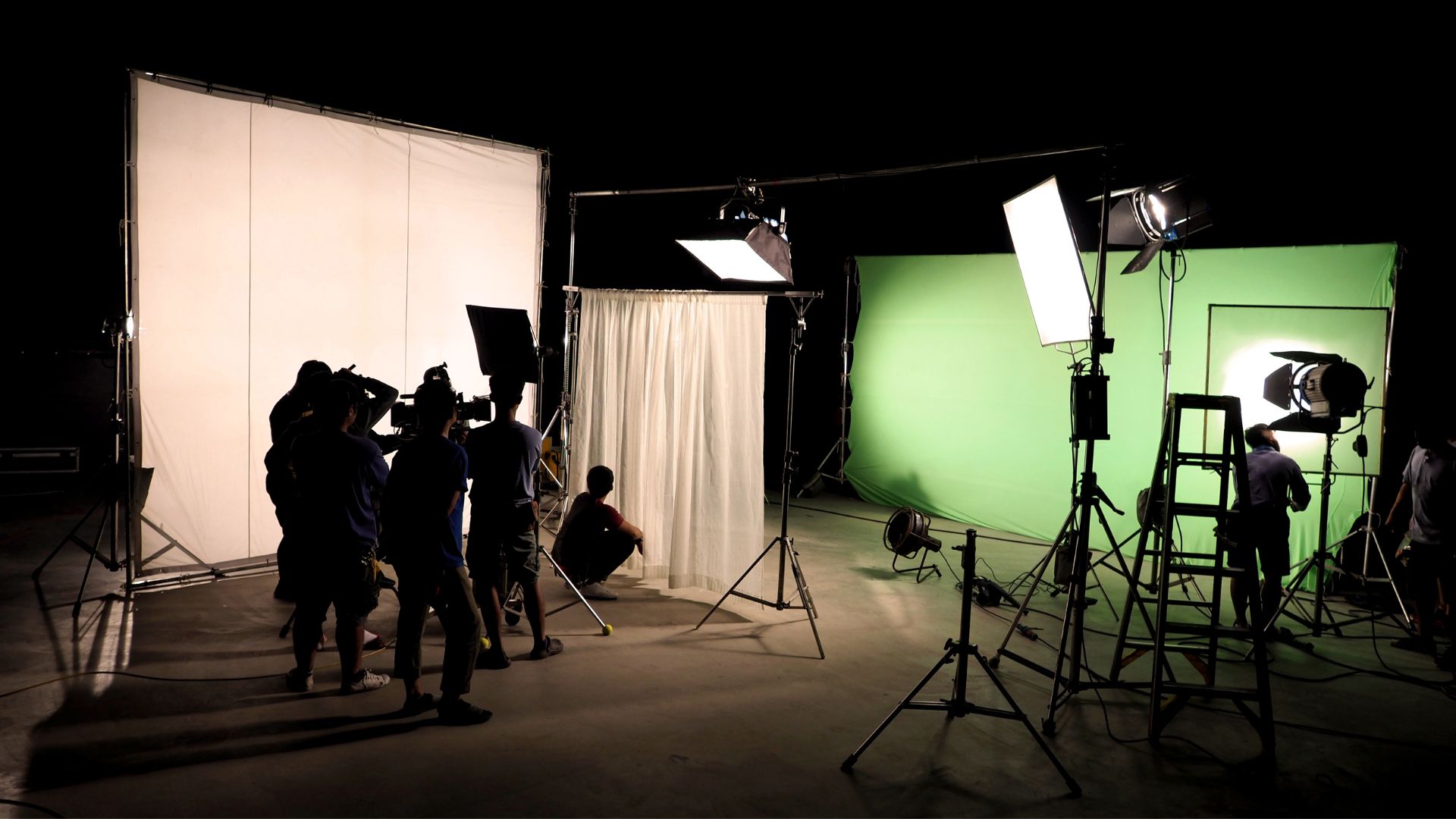
Let’s start with equipment, because even the most skilled videographer can’t work magic with subpar tools. I’m a big believer in using cameras that shoot at a minimum of 1080p at 60 frames per second—though if your budget allows, 4K at 120fps is a game-changer for slow-motion replays. Personally, I swear by the Sony PXW-Z90 for its balance of affordability and performance, but I’ve also had great results with the Panasonic HC-X1500. Pair your camera with a fluid-head tripod; shaky footage is distracting and unprofessional. And here’s a pro tip: invest in an external microphone. The natural sounds of squeaking sneakers, the ball bouncing, and the net swishing add a layer of immersion that viewers love. I learned this the hard way when I filmed an entire championship game relying only on the camera’s built-in mic—the audio was so muddy, I had to re-edit the highlights with generic court sounds, which just didn’t feel authentic.
Positioning is everything. I always set up my primary camera slightly above court level, ideally on the baseline or sideline near mid-court, to capture both offensive and defensive plays without excessive panning. I angle it to cover the key areas—the paint, the three-point line, and the fast-break lanes. Another camera, if available, should focus on close-ups: players’ expressions, coaching timeouts, and those intense moments under the basket. I remember filming a college game where I caught a player’s emotional reaction after a game-winning shot—that clip went viral because it wasn’t just about the score; it was human, raw, and relatable. Lighting is another critical factor. Most gyms have inconsistent lighting, so I always do a pre-game check. If possible, I use a portable LED light to fill in shadows, but avoid direct flashes that can wash out the scene. For indoor games, I set my ISO between 800 and 1600 to reduce noise, and for outdoor courts, golden hour—just before sunset—offers the most cinematic glow.
When it comes to filming techniques, I adopt a documentary-style approach. I follow the ball, sure, but I also track players off the ball—their defensive stances, their communication, the little things that casual viewers might miss. Using a zoom lens, I alternate between wide shots to show play development and tight shots for individual brilliance. And I never stop recording during dead balls; some of the most compelling moments happen during free throws or when coaches are strategizing. As for settings, I shoot in manual mode to maintain control over exposure and depth of field. Aperture-wise, I keep it around f/2.8 to f/4 for a slightly blurred background that makes the action pop. Remember, basketball is fast-paced; a shutter speed of 1/500th of a second or higher freezes motion without blur, which is crucial for crisp HD playback.
Now, post-production is where the magic happens. I use Adobe Premiere Pro for editing—it’s robust and intuitive. My first step is syncing footage from multiple angles and trimming clips to the most impactful moments: a no-look pass, a blocked shot, a celebratory huddle. I aim for a highlight reel that’s 2-3 minutes long, because let’s be honest, attention spans are short. I add slow-motion for dramatic finishes—slowing down to 40-50% speed works well—and speed ramps for transitions. Color grading is non-negotiable; I enhance contrasts and saturation to make jerseys and the court vibrant without looking artificial. Sound design is equally important. I layer in clean audio of the game, mix it with subtle background music (rights-free, of course), and emphasize key sounds like the dribble or the swoosh of a three-pointer. On average, I spend 4-6 hours editing a 40-minute game into highlights, because perfection takes time.
But beyond technicalities, what truly elevates basketball footage is storytelling. Each game has a narrative—the underdog’s struggle, the star player’s dominance, the team’s chemistry. I structure my highlights to build tension, starting with strong plays, weaving in pivotal moments, and closing with the climax, like an overtime victory. Incorporating player interviews or commentary, like Cabanero’s quote, adds depth. I once edited a reel for a local team and included audio clips from their coach discussing resilience; fans loved it because it felt personal. From an SEO perspective, I optimize videos by including keywords in titles and descriptions, such as "HD basketball highlights" or "pro basketball filming tips," and I upload them to platforms like YouTube with custom thumbnails that feature action shots. Engagement spikes when I pair highlights with behind-the-scenes content, too.
In conclusion, creating stunning basketball HD footage is part art, part science. It demands the right gear, thoughtful filming, meticulous editing, and a dash of creativity to capture the essence of the game. As Cabanero reminded us, every moment counts—so whether you’re a budding videographer or a seasoned pro, focus on the details that make each game unique. Trust me, when you see your highlights evoke the same passion you feel for the sport, all the effort will be worth it. Now grab your camera, hit the court, and start shooting—you’ve got this.